Redefining Rhinoplasty: Beyond the "Cookie-Cutter" Nose
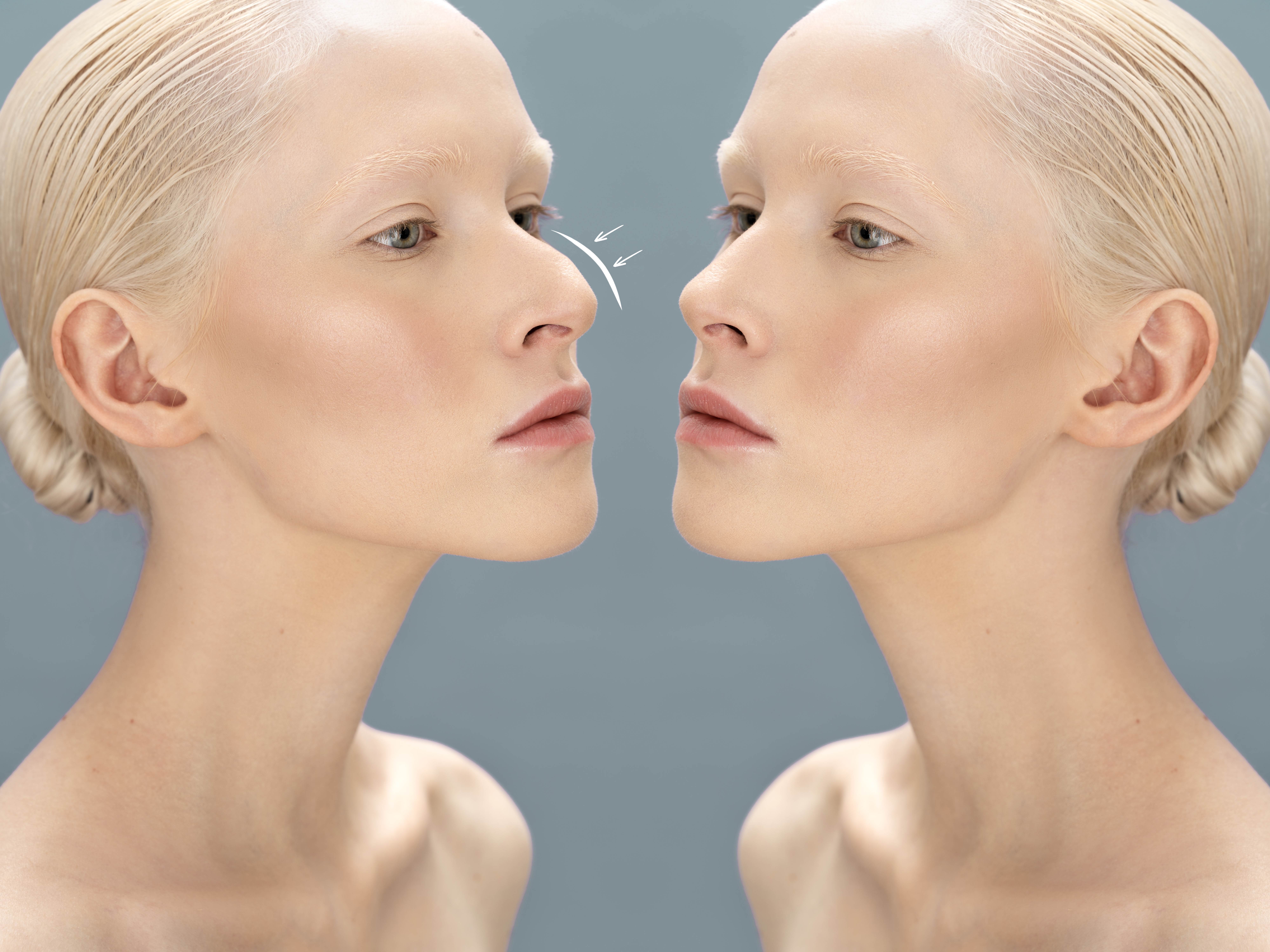
Gone are the days of the "one-size-fits-all" nose job. In the past, rhinoplasty often resulted in a distinct, pinched look that signaled to the world that surgery had been performed. Today, modern rhinoplasty is defined by subtlety, functionality, and harmony. The goal is no longer to create a "perfect" nose, but to uncover the nose that best fits your unique face.
Top facial plastic surgeons now employ advanced structural techniques that reshape the nose without compromising its support. This means that instead of simply removing cartilage and bone—which can lead to collapse or breathing issues years down the line—surgeons rearrange and reinforce the nasal structure. The result? A nose that looks natural, breathes better, and stands the test of time.
The Consultation: A Blueprint for Success
The journey to a refined profile begins with a comprehensive consultation. This is arguably the most critical step in the rhinoplasty process. During this meeting, you and your surgeon will use digital imaging technology to visualize potential outcomes. This isn't just about aesthetics; it's about communication. It ensures that your definition of a "refined tip" or "straight bridge" aligns perfectly with your surgeon's surgical plan.
Your surgeon will also assess your nasal airway. Septoplasty (correction of a deviated septum) or turbinate reduction is often performed simultaneously to ensure that your new nose functions as beautifully as it looks. Remember, a modern nose job is a marriage of form and function.
Ultrasonic Rhinoplasty: Precision Innovation
One of the most exciting advancements in aesthetic surgery is Ultrasonic Rhinoplasty (Piezo). This technique uses high-frequency sound waves to sculpt the nasal bones without damaging surrounding soft tissue. For patients, this translates to significantly less bruising, reduced swelling, and a faster recovery.
Because the Piezo device is so precise, it allows surgeons to smooth out dorsal humps and narrow the nasal bridge with millimeter-level accuracy. This technology is a game-changer for patients seeking subtle yet impactful changes to their profile.
What to Expect During Recovery
Recovery from a modern nose job is often easier than patients anticipate, especially with preservation techniques.
- Week 1: You will wear a splint to protect the new shape. Most patients feel "stuffy," like having a bad cold, rather than being in acute pain.
- Week 2: The splint comes off—a moment of big revoal! While there will still be swelling, most bruising has faded, and you can return to work and social activities with some makeup.
- Months 1-3: This is the refinement phase. The majority of swelling dissipates, revealing the new definition of your tip and bridge.
- The Final Result: It can take up to a year for the finest swelling to resolve completely, but by month 3, you are enjoying 90% of your result.
Is Rhinoplasty Right for You?
If you are self-conscious about a dorsal hump, a bulbous tip, or asymmetry, rhinoplasty offers a permanent solution that can dramatically boost your self-confidence. The best candidates are those seeking improvement, not perfection, and who have realistic expectations about the recovery process.
Choosing a specialist who focuses on preservation rhinoplasty ensures that you are not just getting a smaller nose, but a better one—balanced, breathing, and beautifully yours.