
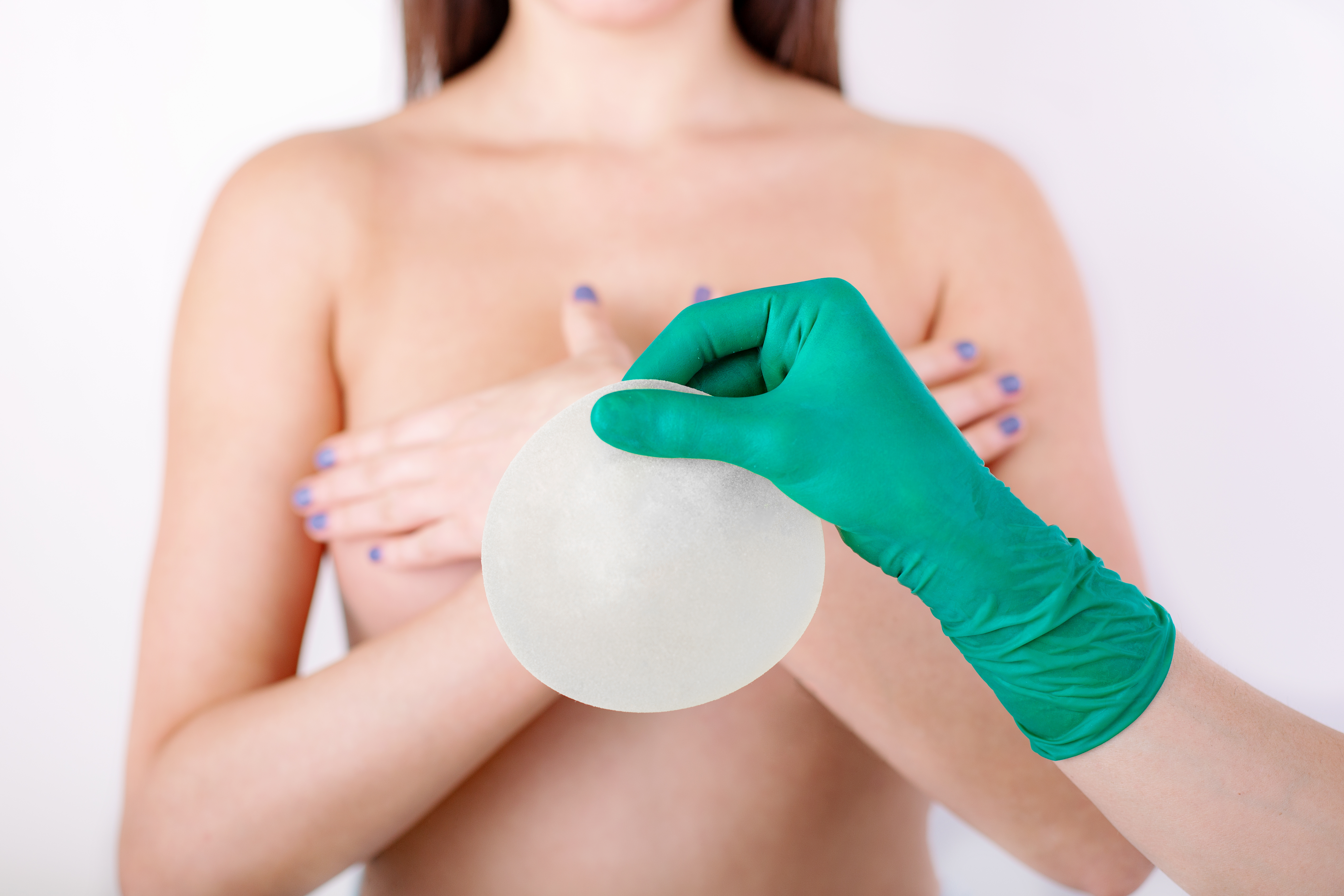
Decisions, Decisions: The Breast Augmentation Journey
Breast augmentation remains one of the most popular cosmetic surgeries globally, empowering women to enhance their contours and boost their confidence. Once you've decided to undergo the procedure, the next biggest decision is choosing the right implant. The debate between saline vs. silicone implants is a common one, and the "right" choice depends entirely on your specific body type and aesthetic goals.
Saline Implants: The Flexible Option
Saline implants are silicone shells filled with sterile salt water. They have been used safely for decades and offer unique advantages:
- Adjustability: Because they are filled at the time of surgery, saline implants can be inserted through smaller incisions. This means smaller scars.
- Symmetry: Surgeons can fine-tune the volume of each implant during the procedure, making them an excellent choice for correcting breast asymmetry.
- Rupture Detection: If a saline implant leaks, it deflates noticeably. The body harmlessly absorbs the saline. This peace of mind is a significant factor for many patients.
However, saline implants can sometimes feel firmer and have a higher risk of "rippling"—where the edges of the implant are visible or palpable under the skin, especially in very thin patients.
Silicone Implants: The Look and Feel of Nature
Silicone implants are filled with a cohesive silicone gel that closely mimics the feel of natural breast tissue. Modern silicone implants, often called "gummy bear" implants, are form-stable. This means that even if the shell were to break, the gel maintains its shape and stays in place.
- Natural Texture: Silicone is widely regarded as feeling more like natural breast tissue than saline.
- Aesthetic Shape: They are less prone to rippling and offer a smooth, natural slope.
- Weight: They are slightly lighter than saline for the same volume.
The downside? Incisions for silicone implants must be slightly larger because the implant comes pre-filled. Additionally, "silent rupture" (where a leak isn't immediately obvious) requires monitoring via MRI or ultrasound over the years.
Profile and Projection: Beyond the Material
Beyond the material (Saline vs. Silicone), you will also choose the profile of your implant. This determines how far the breast projects from the chest wall:
- Low Profile: Flatter and wider, good for a subtle widening of the breast base.
- Moderate Profile: The most common choice, offering a natural-looking projection.
- High Profile: Projects further out, ideal for patients with narrow chests who want significant volume without the implant looking too wide.
Which Implant fits Your Body?
There is no single "best" implant.
- If you are very thin with little natural breast tissue, silicone implants (specifically cohesive gel) are often recommended to avoid rippling and ensure a natural feel.
- If you have a reasonable amount of natural breast tissue to cover the implant, saline implants can provide a beautiful, cost-effective result with a smaller scar.
Your surgeon will take detailed measurements of your chest width and breast tissue during your consultation. They will likely have you try on sizers to feel the weight and see the projection. Trust their expertise—balancing your desires with your anatomical measurements is the key to a breast augmentation result that looks like you were born with it.